
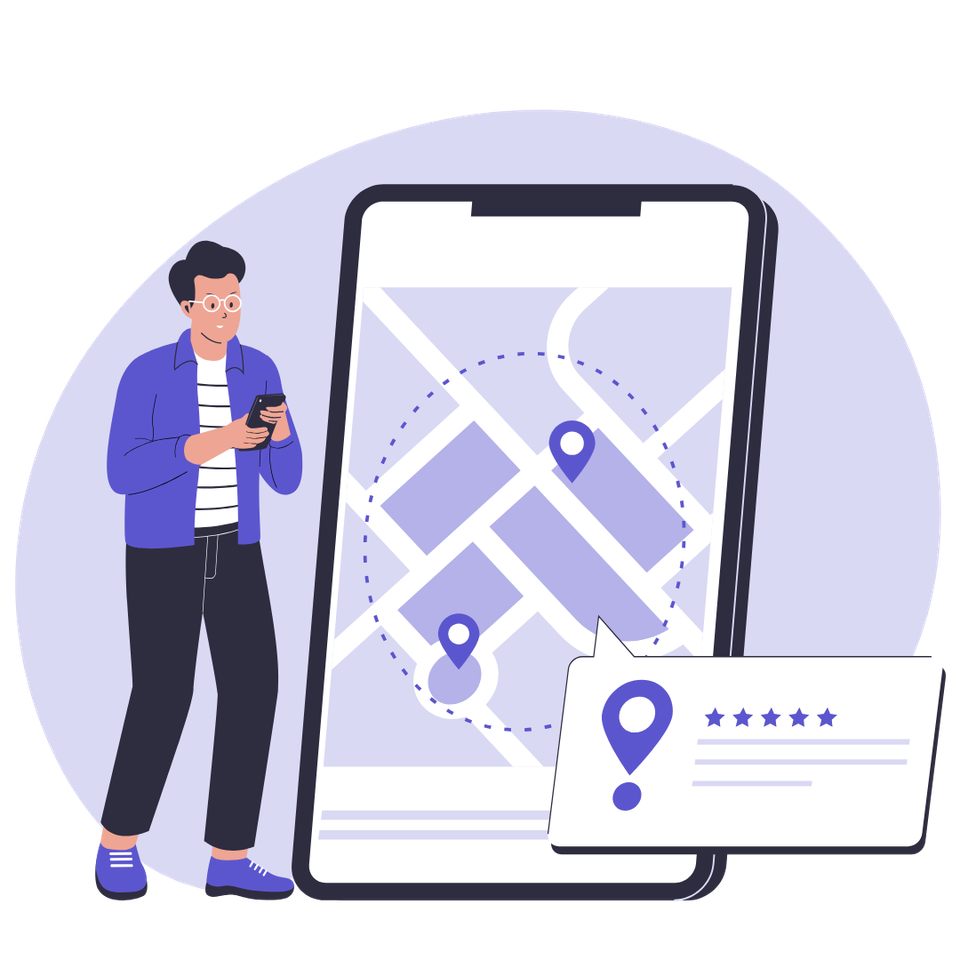
In today’s digital marketing landscape, location-based strategies are becoming increasingly critical for businesses seeking to reach their audiences with precision. Among the most popular tools in the marketer’s arsenal are geotargeting and geofencing. While these two strategies sound similar and both leverage location data, they serve different purposes and are suited for distinct use cases. Let’s break down the differences, benefits, and applications of geotargeting and geofencing.
What is Geotargeting?
Geotargeting refers to delivering content, advertisements, or offers to users based on their geographic location. This approach considers not just a user’s current location but can also factor in demographic data, interests, browsing history, and behavioral patterns. Geotargeting is a more personalized strategy, allowing businesses to tailor messages to specific audiences within a location.
Key Features of Geotargeting:
- Precision: Combines location data with other user attributes.
- Personalization: Messages are customized based on user profiles.
- Flexibility: Can target broader areas like cities, states, or countries.
Example:
A retail chain could use geotargeting to show ads to people in New York City who have previously searched for running shoes or visited fitness websites.
What is Geofencing?
Geofencing involves creating a virtual boundary around a specific location. When users enter or exit this predefined area, they can receive targeted notifications, alerts, or advertisements. Geofencing focuses purely on the real-time geographic location of users, making it ideal for proximity-based marketing.
Key Features of Geofencing:
- Real-Time Engagement: Triggers actions based on a user’s live location.
- Specificity: Focuses on a tight radius, such as a building or event venue.
- Simplicity: Targets anyone entering or exiting the defined area.
Example:
A coffee shop could set up a geofence around its location to send a discount notification to users who walk by the shop.
Comparing Geotargeting and Geofencing
While geotargeting and geofencing both use location data, their methodologies and objectives differ. Here's a quick comparison:
Benefits of Each Strategy
Geotargeting:
- Enables tailored messaging to specific audience segments.
- Useful for national or international campaigns targeting localized demographics.
- Helps businesses understand user behavior trends in specific regions.
Geofencing:
- Drives immediate action by engaging users in real-time.
- Ideal for small businesses or events with localized audiences.
- Boosts foot traffic to physical locations by targeting nearby users.
Choosing the Right Strategy
The choice between geotargeting and geofencing largely depends on your marketing goals:
- Use geotargeting if you want to personalize campaigns based on a mix of location and user behavior.
- Use geofencing if your objective is to drive instant engagement within a specific area.
Conclusion
Both geotargeting and geofencing are powerful tools for leveraging location data in marketing campaigns. By understanding their differences and strengths, businesses can effectively use these strategies to enhance their outreach, engage audiences, and achieve their marketing objectives. Whether you’re a large retailer targeting broad demographics or a small business seeking local customers, there’s a location-based solution to fit your needs.